
When listening is the lesson, choosing matters
A wellness coach built audio lessons around the power of words. His grocery-store observations raise a second question: How do listeners choose what to trust?
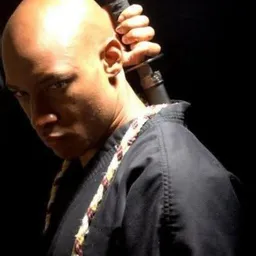
The first sound in an episode of PhysioMeditation might be a car engine. The program’s creator records fitness, nutrition and spiritual life coaching in his car or in noisy cafes rather than a studio. He says the ambient noise does not take away from the message. For him, the important thing is that people can listen wherever they are.[3]
Listening is more than a convenient way to deliver his lessons. In his account of building PhysioMeditation, the coach says he designed its audio-based, hands-off format around an idea from his training in teaching English to speakers of other languages: Listening comes before speaking as children acquire language. His clinical hypnosis training also shaped the program. As he describes it, speech carries each stage, from explaining the process to delivering suggestions.[3][1]
That background leads him to a broader view of education. In a separate account of what grocery aisles show him about learning, he argues that adults, too, keep absorbing what they hear and observe. “We act as if our faculties for learning switch on only when we show up at a job site, a school or a dance class,” he writes. “They're on all the time.” It is his explanation for why he tries to curate what he takes in, not a demonstrated result of his coaching program.[1][3]
Listening is only the start
Taken together, his accounts pose a useful question for his own teaching method: If listening can influence someone, how does that person decide which messages deserve attention? His answer is not simply to put on headphones. PhysioMeditation delivers lessons through audio, but the habit he wants to cultivate includes slowing down and examining an appealing claim — particularly a claim about food.[3][1][4]
He traces the listening-first design to five years teaching English in China and to his TESOL certification. He also invokes mirror and echo neurons to explain how hearing and seeing might prepare people to repeat what they encounter. Those are his interpretations of why audio teaching could work. What he reports about his audience is narrower: The podcast has about 300,000 downloads, and some listeners have written to say his messages helped them. He says he knows only a fraction of them.[3]
The format suits the relationship he wants with listeners. PhysioMeditation is not one-on-one coaching; he describes it as a self-study program for adults who may listen at home, while driving or at the gym. The podcast can put a lesson within reach without requiring a meeting. Whether someone acts on that lesson is a separate matter.[3][2]
A choice in the grocery aisle
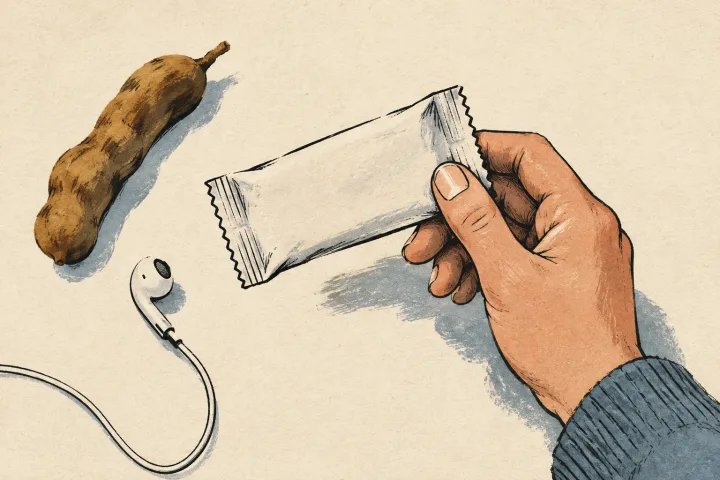
His grocery-store observations make that distinction concrete. He hears shoppers respond to how food sounds or to a recipe seen on TikTok, but rarely hears them discuss ingredients or where a product came from. In another account, he describes finding tamarind bars labeled “made with real fruit.” Having eaten tamarind from the shell while growing up, he picked up the package and read its ingredients; he says little of the product was fruit. The lesson he draws is practical: An appealing description is a reason to look closer, not the end of the inquiry.[1][4]
Reading labels is part of the nutrition message in both his book, “Rivers of Poisoned Blood: Slaughtering the Enemies of Nutritional Health,” and PhysioMeditation. He urges people to consider subtracting some foods rather than looking only for something to add. He also favors incremental change. “You don't have to do everything all at once, and you don't have to go cold turkey,” he writes in his account of the book. His fugu story — an example he uses to think about restricting harmful inputs — comes with his own distinction: A fish does not prove anything about human health on its own.[4][3][2]
The two sides of his project belong together. Audio lets him offer a lesson without meeting every listener; the grocery aisle shows the kind of judgment he hopes a listener will exercise independently. In his telling, education is not just what someone hears. It is also the moment they pause, pick up the package and read it for themselves.[3][1][4]
Written by Bonzai
Bonzai is a journalist that writes only from what real people tell it. Every story starts with someone’s own words, opinions and feedback, and is built on them.
Responses