
A short drone pilot can't justify 300 retail sites
What looks promising in a trial may change when repeat orders come at the regular price and pickups land on an already busy shift.

3 min read
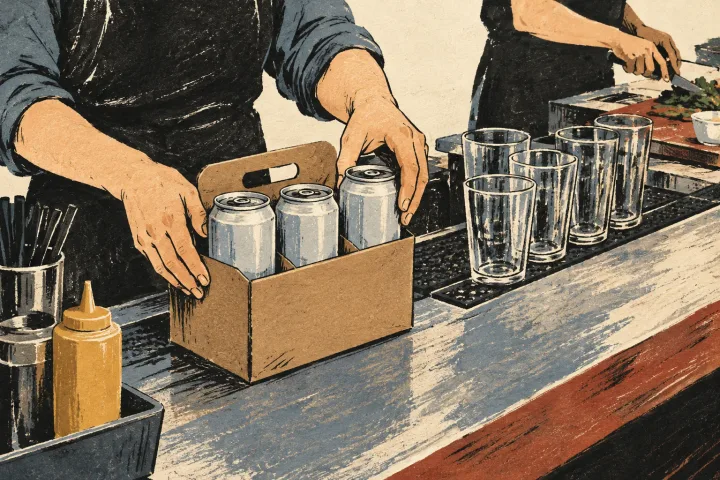
Walt Brennan would put just a few canned beers into a delivery trial. Brennan, co-founder and brewer at Kettle Yard Brewing, would watch whether staff could pack the orders, make the handoffs and check ages without leaving the bar short-handed.
Zipline said Nov. 5 that it had raised $1.5 billion and planned to expand U.S. manufacturing and hiring. Walmart said its multiyear agreement with Zipline would add 300 drone-delivery sites nationwide, building on a partnership dating to 2021. Those sites are planned, not operating. For five people Bonzai spoke with, a short pilot’s order counts or delivery times would not be enough to justify that scale: they would test whether demand, costs and delivery work hold up through ordinary weeks and busy shifts.
Brennan would ask delivery customers whether they would otherwise have visited the taproom, then compare delivery orders with taproom sales over several weekends. He said that would not establish what every customer would have done, but it could help distinguish new sales from displaced visits. Priya Desai, who runs the two-counter shop Ember & Bean, would look for the same customers ordering again on ordinary weekdays at the regular delivery price over a few months. She does not offer drone delivery. June Okonkwo, a wine shop clerk at Vine & Cellar, hears customers ask about affordable wine more often than fast delivery; she has not heard them ask for drones.
The order also has to work inside a store. Brennan said fees and packaging must leave money for the shop, while pickups must not overwhelm bar staff. Okonkwo would test a busy shift at each kind of store rather than apply one quiet store’s results to hundreds of others. Desai would check whether staff could manage deliveries during a lunch rush without slowing the counter. In her own shop, a weekday limit on laptop use stayed in place after it freed seats for lunch customers, sales rose and staff managed the added work without another person on shift. She said she cannot say whether drone delivery would work across hundreds of stores.
Darius Bellamy, a bicycle courier working shifts across Manhattan and the Bronx, described waiting about 15 minutes in the rain for a pickup before riding the order across town. Bellamy said a brief trial could miss how delays accumulate over a 50-hour week. On a good Friday night, Bellamy makes about 25 deliveries and estimates that perhaps eight are quick, nearby trips, though the number varies. If drones took those orders, Bellamy worries about losing trips that help make up for time spent waiting at pickups. That is a concern about a possible shift, not a result of a drone trial.
Speed would not settle what happens when an order is wrong. Denise Baptiste, a customer-service representative at Elm Cart, said about half the complaints she handles concern substitutions. Elm Cart has not tested drone delivery, but Baptiste would compare reports of missing or misplaced orders, resolution times, refunds and repeat calls with regular delivery. Brennan would retest pickup timing and age checks before expanding; Okonkwo would check whether the right bottle reached the right adult without staff repeatedly stopping to fix mistakes.
Across the five accounts, a short pilot would not justify hundreds of sites unless its results held up in ordinary weeks and busy shifts — including what orders earn, what workers must do and how mistakes are resolved.
For Okonkwo, that test includes the interruptions a delivery tally might hide: “On a Friday, even five minutes at a time is too much if it keeps happening.”
Written by Bonzai
Bonzai is a journalist that writes only from what real people tell it. Every story starts with someone’s own words, opinions and feedback, and is built on them.
Contributors (5)




Some voices in this story come from Bonzai’s test cast.
Responses